
11 October 2026 · 4 min read
Choosing Paving and Driveway Options That Suit Your Home
A good driveway should handle daily traffic, drain properly and complement your home. Here is what to consider when comparing paving materials and preparing for a lasting result in Cape Town.
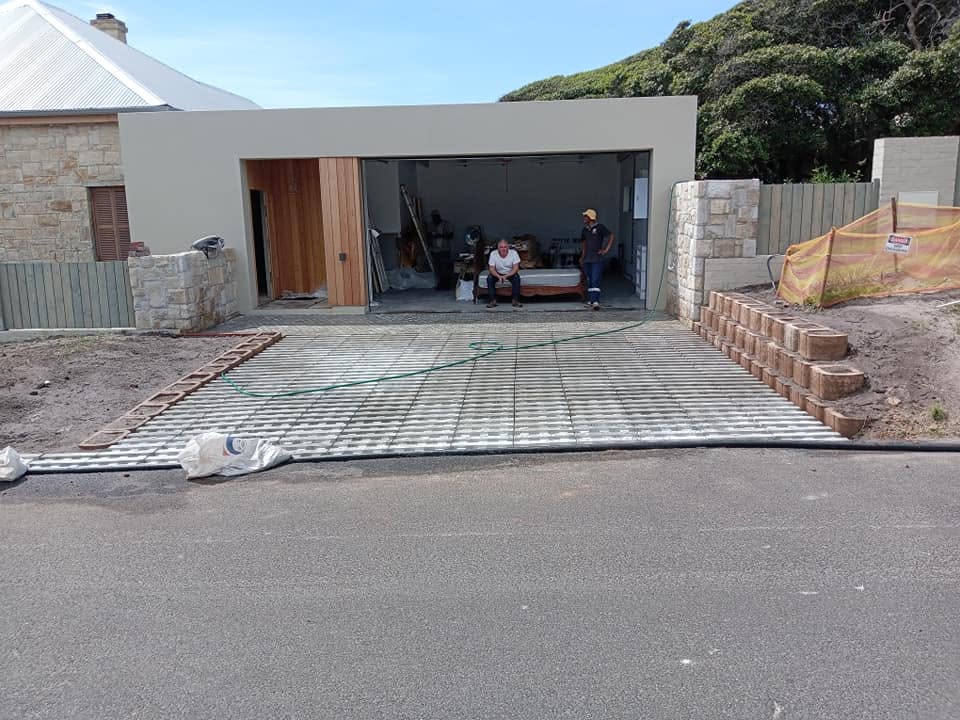
Your driveway works hard every day, so choosing its surface involves more than finding a colour you like. It needs to support vehicles, provide safe footing and direct rainwater away from your home. Start by considering how you use the space: parking, turning, walking to the front door or moving bins. A driveway used by heavier vehicles needs a different build-up from a garden path. For Cape Town homes, winter rainfall, strong summer sun and coastal exposure also influence which materials and details make practical sense.
Concrete paving blocks are a versatile option, with different shapes, colours and finishes available. Individual blocks can usually be lifted for access to underground services or replaced if damaged, although matching an older colour may be difficult. Clay pavers offer warm tones and generally retain their colour well, but products must be suitable for vehicle traffic rather than just pedestrian use. Natural stone can create a distinctive finish, although thickness, strength and surface texture vary considerably. Ask for samples and compare them outdoors, both dry and wet, before choosing.
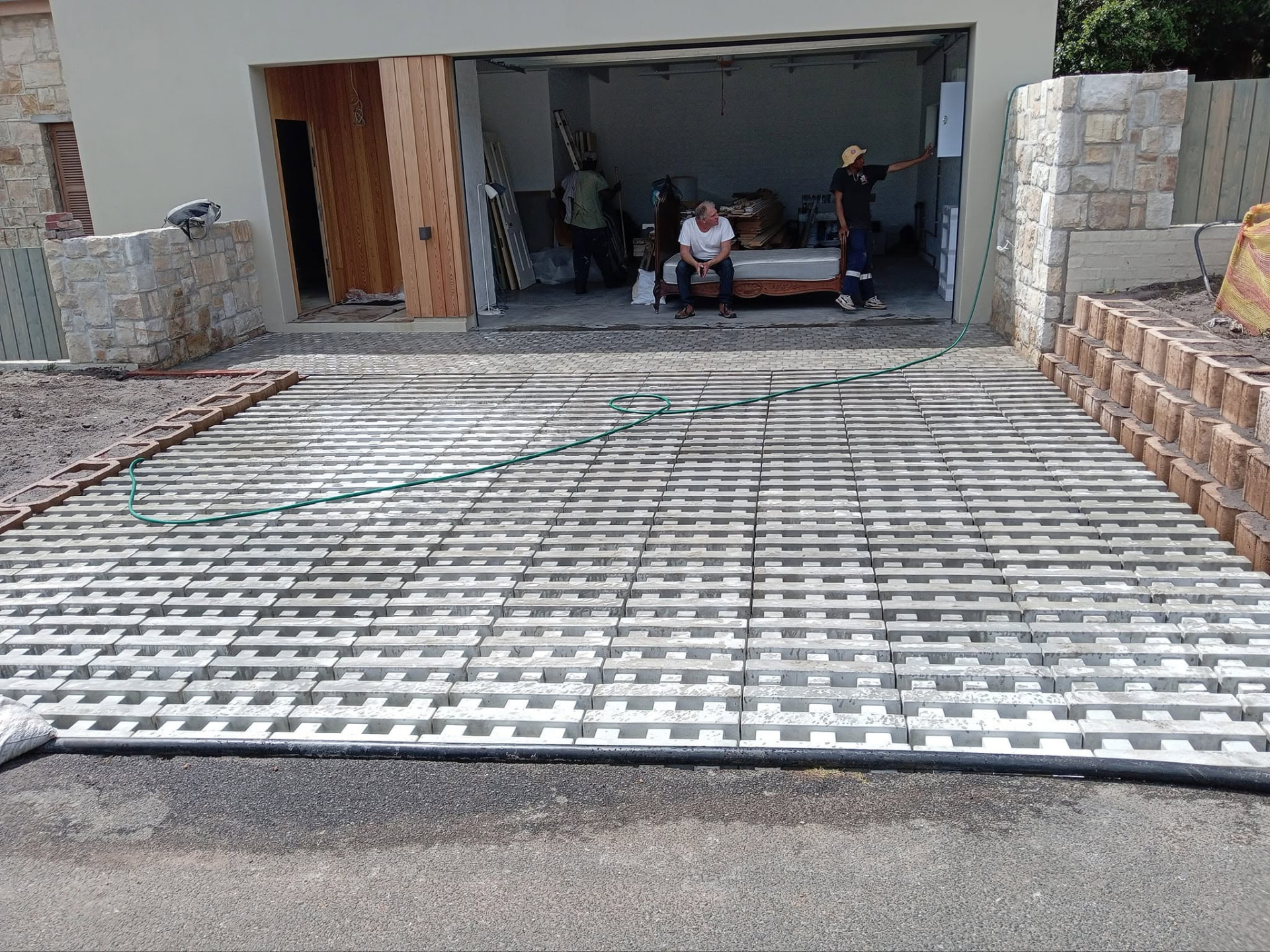
Poured concrete can provide a relatively uniform driveway surface, with finishes such as brooming helping to improve traction. It needs properly planned joints and suitable ground preparation; cracks remain possible even with careful installation. Exposed aggregate offers texture, but its finish should be comfortable where people walk barefoot. Gravel is another option, particularly where a softer appearance is preferred, although it can migrate, form ruts and require regular topping up. Gravel stabilisation systems may help, but they still need an appropriate base. Large decorative slabs should not be assumed suitable for cars without checking their specifications and installation requirements.
Before requesting quotes, measure the area and note slopes, existing cracks, soft patches, tree roots and places where water collects. Check gate clearances, garage thresholds, pedestrian access and whether vehicles can turn comfortably. Identify drains, inspection covers and underground services that must remain accessible. Decide whether old paving will be removed and ask how excavation material and rubble will be handled. Comparing quotes is easier when each contractor is pricing the same preparation, base layers, drainage, edging and surface finish, rather than simply a square metre of paving.
The foundation beneath the surface is often what separates a dependable driveway from one that sinks or shifts. Soil conditions and expected loads determine the excavation depth and base design; there is no single layer thickness that suits every property. Fill should be suitable and compacted in controlled layers, with secure edge restraints to prevent paving from spreading. Common mistakes include laying over unstable ground, using bedding material to compensate for an uneven base and neglecting joints. Where substantial retaining walls, unstable slopes or other structural work are involved, seek advice from a qualified professional before construction begins.
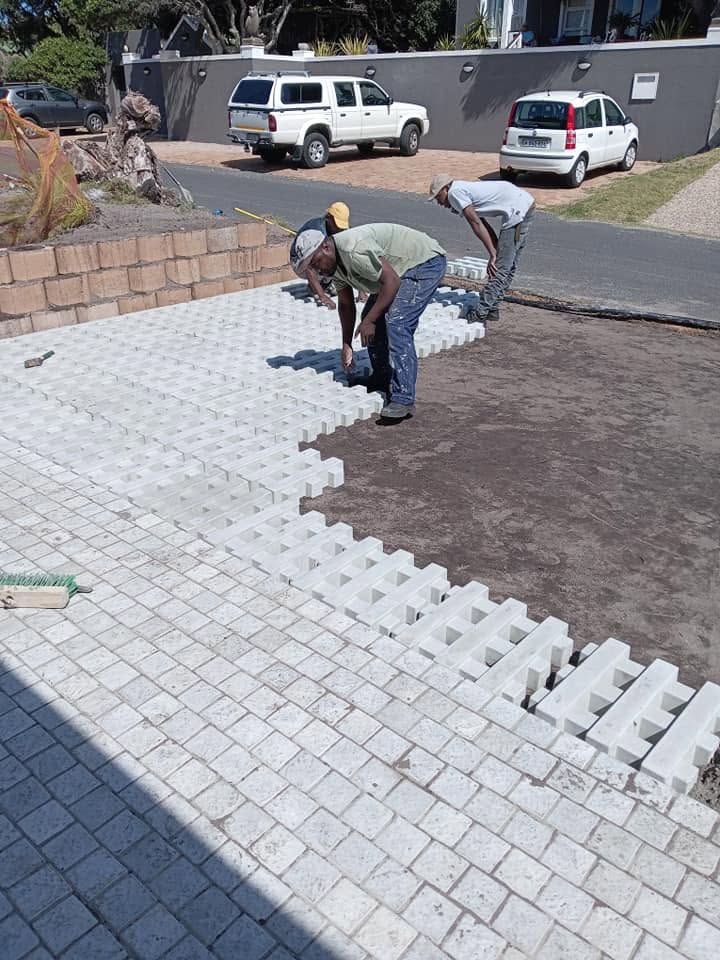
Drainage deserves particular attention in Cape Town, where winter storms can quickly reveal poor levels. Finished surfaces should direct water safely away from walls, doors and garages into a suitable drainage arrangement, without creating problems for neighbouring properties or public areas. Permeable paving can reduce runoff, but only when the entire system, including the underlying layers and drainage provision, is designed for the site. It is not simply ordinary paving with wider gaps. Check municipal requirements and obtain council approval where required, especially for changes affecting driveway access, kerbs, stormwater connections or structural elements.
Think about maintenance before making the final choice. Light surfaces can show tyre marks and oil, while some darker finishes become hot in direct sun. Shaded paving may develop slippery growth during wet months. Near the coast, specify materials, drainage fittings and any metal components suited to salt exposure, and ask whether a proposed sealer affects grip or needs reapplication. Programme expectations should remain flexible: timelines depend on scope, site conditions, curing, approvals and weather. Plan alternative parking and follow guidance on when the surface can take vehicles. If you are considering paving or a new driveway, discuss your project with Frank on WhatsApp at 073 338 3911.
Planning your project in Cape Town
Start with a site assessment and a written scope. Confirm with the City of Cape Town or an appropriately qualified professional whether your proposed work needs building-plan approval. Structural changes should be reviewed by the relevant professional before work begins.
Winter rain, material availability and access to your site can affect the schedule. Ask for a project-specific programme with time for inspections and curing. If you are living on site, agree on safe access, dust control and when water or electricity may be interrupted.
Your project checklist
- Share measurements, site photos and your main priorities.
- Agree on materials, labour, waste removal and exclusions in writing.
- Confirm how changes are priced and approved before extra work begins.
- Set a handover checklist and keep copies of quotes and approvals.
Let’s talk about your project
Send Frank your ideas and site photos to discuss the next steps.
Chat with Frank on WhatsApp