
15 October 2026 · 5 min read
Plastering Tips for a Lasting Finish in Cape Town Homes
Good plastering starts well before the first coat goes onto the wall. Careful preparation, suitable materials and sensible curing help Cape Town homeowners avoid cracks, peeling paint and disappointing finishes.
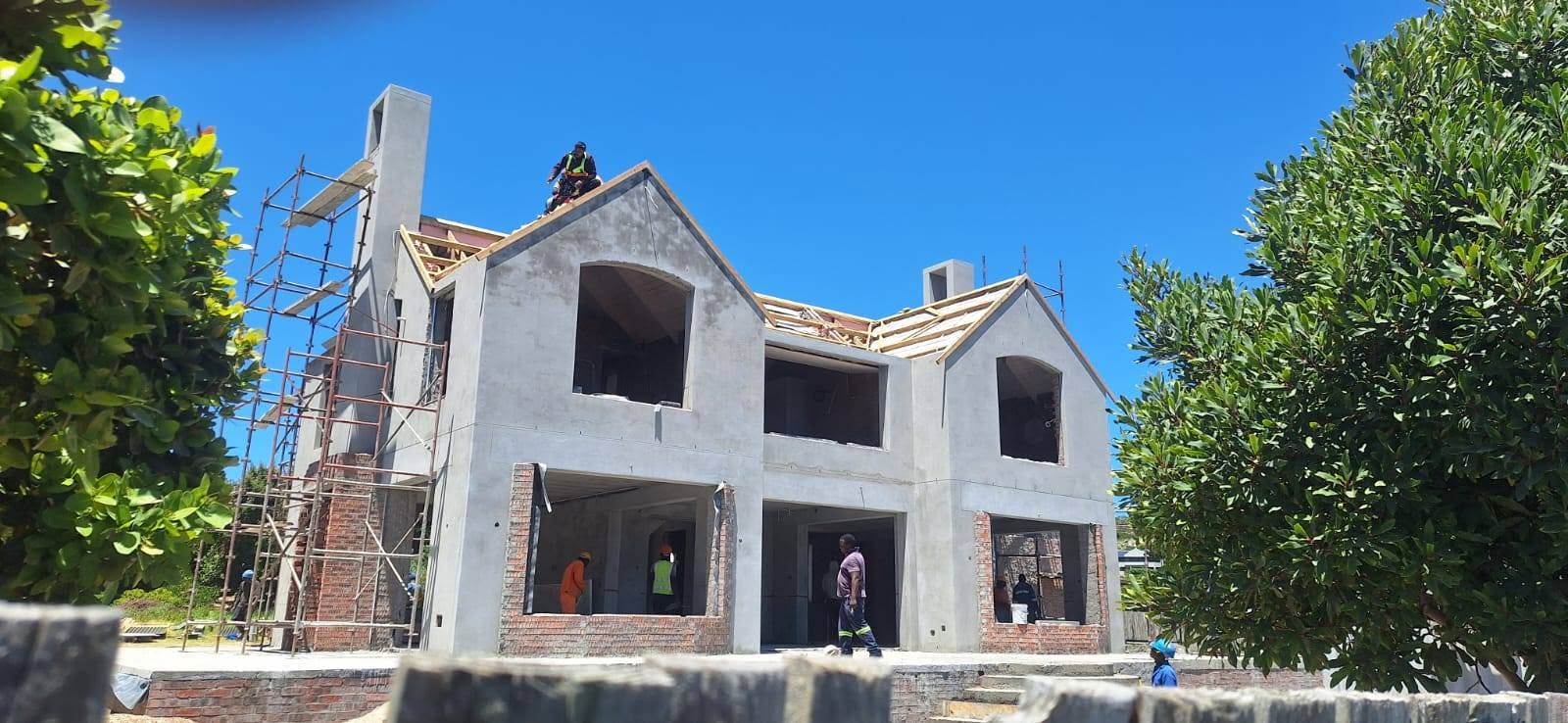
Fresh plaster can transform a room or tidy up a weathered exterior, but a smooth surface alone does not mean the job has been done properly. What happens underneath matters just as much. In Cape Town, wet winters, drying summer winds and coastal exposure all influence how walls should be prepared and finished. Before choosing between patch repairs, full replastering or a fine skim coat, assess the condition of the existing surface. Plastering over weak, damp or poorly bonded material usually hides a problem temporarily rather than solving it.
Start by checking for loose plaster, powdery surfaces, cracks, staining and white salt deposits. A hollow sound when a wall is gently tapped can suggest that plaster has lost its bond, although a contractor should confirm the extent before removal begins. Investigate moisture sources such as leaking pipes, damaged gutters or water entering around windows before covering affected areas. Persistent damp and salt contamination may need specialist assessment. Wide, growing or recurring cracks also deserve attention from a qualified structural professional; plaster is not a structural repair. Confirm council approval requirements if the wider project involves structural alterations or other regulated building work.
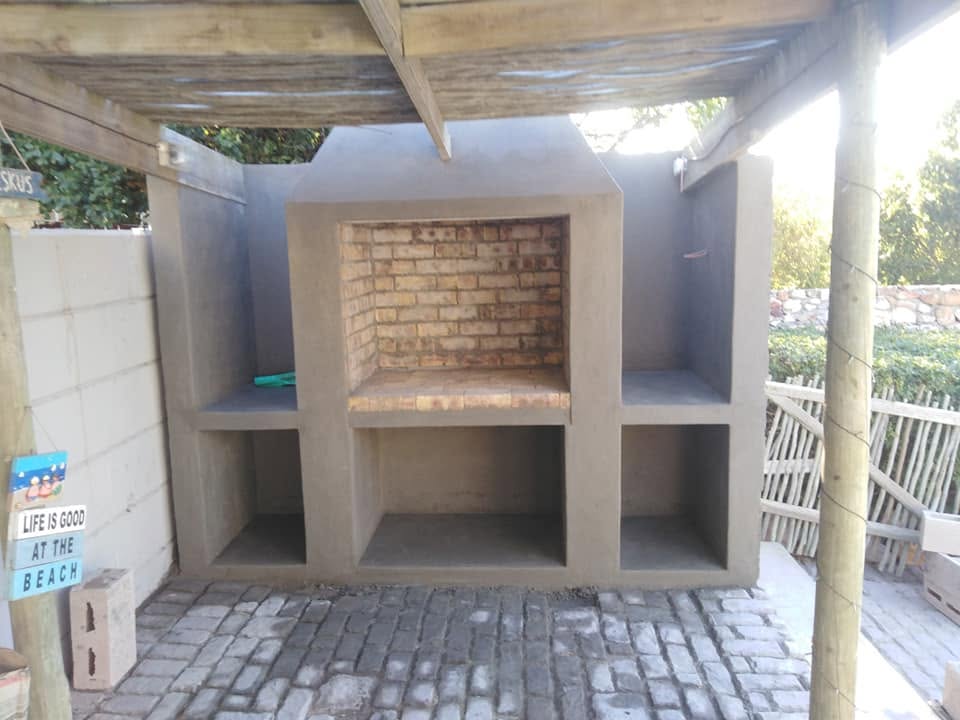
Prepare the space as carefully as the wall. Move furniture away, protect floors and fittings, and agree on access, rubble removal and which surfaces are included in the quote. Loose coatings, dust, oil and unsound plaster need to be removed so the new material can bond properly. Smooth concrete and previously painted surfaces may need mechanical preparation or a compatible bonding system rather than a quick coat applied straight over them. Highly absorbent masonry may require controlled dampening, while other backgrounds need a different treatment. The correct approach depends on the substrate and plaster system, so follow the material manufacturer's instructions.
Choose materials for the location, not simply for the smoothest-looking result. Cement-based plaster is commonly used on masonry and exterior walls, while gypsum-based products are generally intended for suitable dry interior conditions. A thin skim can refine a sound surface, but it cannot reliably straighten a badly uneven wall or hold failing plaster together. Older Cape Town homes may have softer masonry or lime-based finishes that need compatible repair materials; an overly hard, dense replacement can cause problems. Near the coast, specify corner beads and accessories suitable for the exposure, as corrosion can stain and damage finishes. Ask your contractor to explain the proposed system before work begins.
During application, consistency matters. Adding extra cement does not automatically make plaster better, and adding water to revive material that has started setting can weaken the result. Mixes, coat thicknesses and waiting periods should suit the selected product and background. Trying to correct deep hollows in one thick application increases the risk of shrinkage, sagging and poor bonding. Corners, window reveals and the edges around door frames deserve particular care because uneven lines become obvious after painting. Where different materials meet, suitable reinforcement or joint detailing may be needed, but mesh is not a universal cure for movement or cracking.
Plan external plastering around Cape Town's conditions rather than treating every day as suitable. Rain can damage fresh work, while strong wind, direct sun and hot masonry can draw moisture out too quickly. Shade, wind protection and appropriate curing help cement-based plaster gain strength without drying abruptly; gypsum finishes require different drying care. Follow the specified curing method rather than improvising. Timelines depend on scope, site conditions, curing, approvals where required and weather, so avoid scheduling painters against a fixed completion promise. Plaster that looks dry on the surface may still contain moisture, and painting too early can lead to blistering, peeling or uneven finishes.
Before decorating, inspect the plaster under good natural and side lighting, looking for loose areas, significant cracks, uneven reveals and unfinished edges. Allow the specified curing and drying periods, then use a primer and paint system compatible with the plaster and its condition. Keep a record of the materials used so future repairs can match the existing work. A clear brief, realistic allowance for preparation and careful finishing are more valuable than rushing to get colour onto the walls. If you are planning plaster repairs, skimming or a larger renovation, you are welcome to discuss the project with Frank at Majors Builders on WhatsApp at 073 338 3911.
Prepare for Cape Town’s winter weather
Skimming improves a sound surface; it is not a repair for active leaks, rising damp or moving structural cracks. Identify the cause of damage first and get specialist advice where needed.
Cool, wet Cape Town weather can slow drying. Follow the product’s drying and curing guidance before painting, and provide safe ventilation. The final programme should allow for the condition of the existing wall, not just the size of the room.
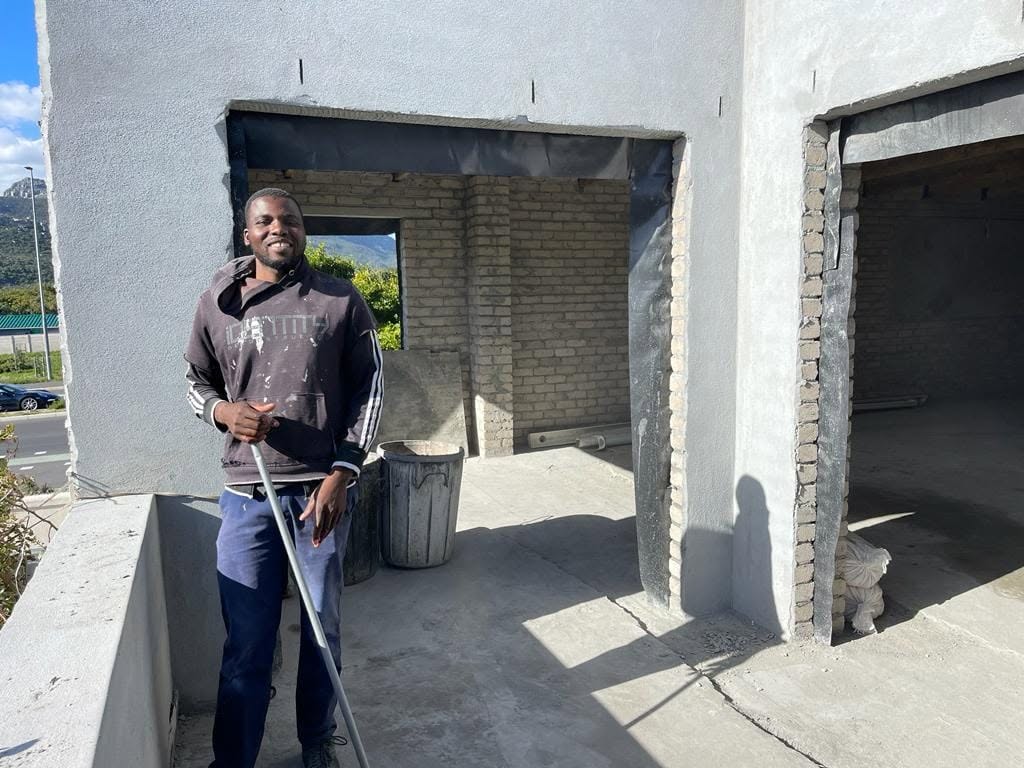
Your project checklist
- Check for damp, loose plaster and recurring cracks.
- Confirm surface preparation and the finishing system.
- Allow for drying time before painting or tiling.
Let’s talk about your project
Send Frank your ideas and site photos to discuss the next steps.
Chat with Frank on WhatsApp