
12 October 2026 · 4 min read
Waterproofing and Damp: Getting Your Home Ready for Cape Town Winter
Cape Town’s winter rain can expose roof leaks, damp walls and drainage problems. Finding the source before repainting or sealing helps you choose repairs that address the cause, not just the symptoms.
The first heavy winter rains often reveal problems that stayed hidden through Cape Town’s dry summer: a ceiling stain, bubbling paint or a musty cupboard. Although these signs may look similar, their causes can be very different. Rain might be entering through damaged roof flashings, collecting against an outside wall or finding a gap around a window. Moisture can also come from leaking plumbing, ground moisture or condensation indoors. Effective waterproofing starts with identifying the source and how water reaches the affected area, rather than simply covering the visible damage.
Start by recording when and where the damp appears. Does a stain grow after wind-driven rain, or does it remain wet through dry weather? Is mould concentrated behind furniture, around windows or in a bathroom? Photograph affected areas and note whether they change after rain or everyday activities such as showering. From ground level, check for overflowing gutters, blocked downpipes, cracked plaster and water pooling beside the house. Look at whether paving or garden beds have been raised against external walls. Avoid climbing onto a wet roof; arrange a safe inspection by someone equipped for the work.
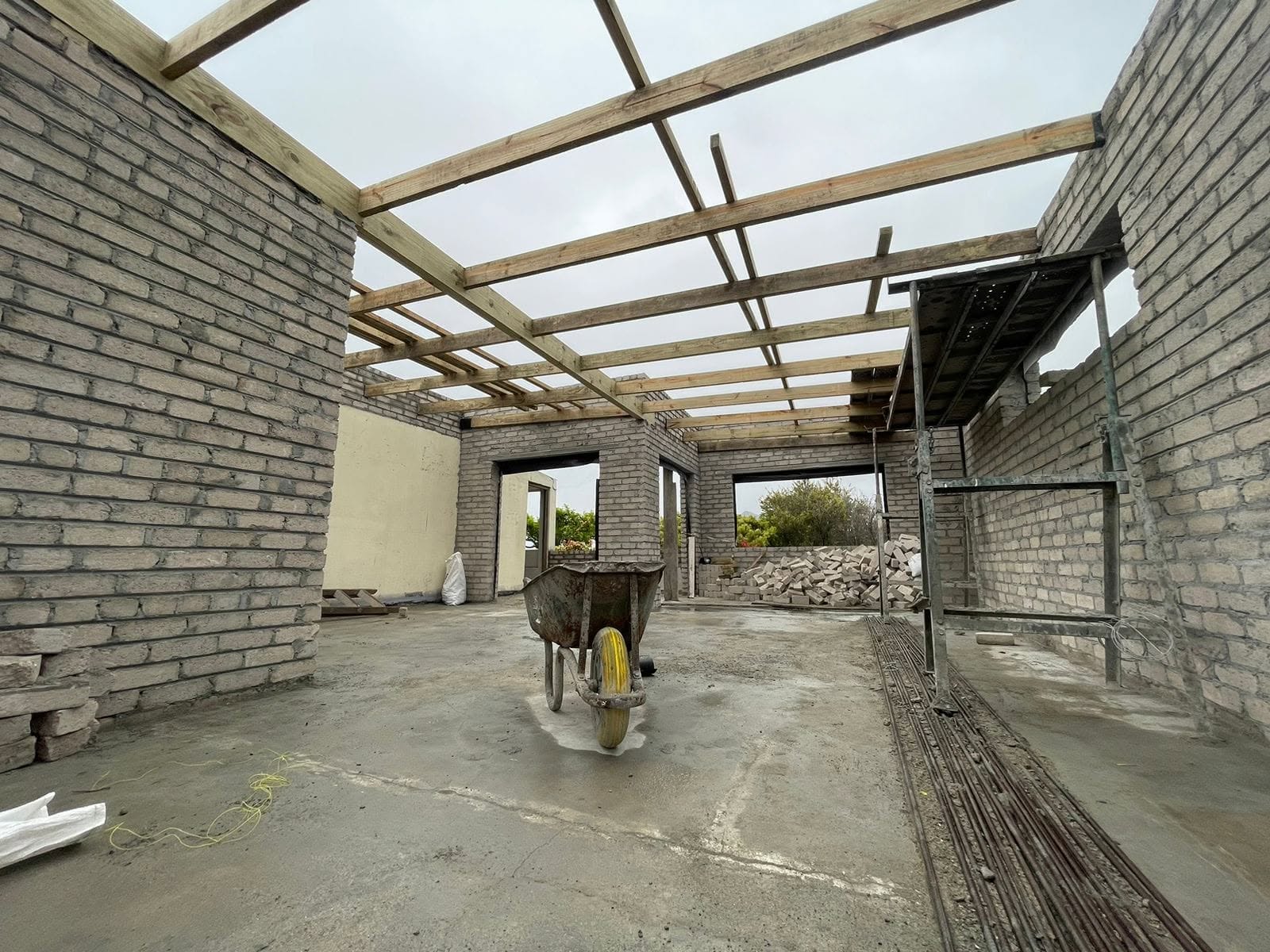
Cape Town’s rain and strong winter winds can push water through weak points that ordinary showers do not expose. Roof-to-wall junctions, parapets, valleys, skylights and window openings deserve particular attention. Flat and low-pitched roofs need suitable falls and clear outlets so water can drain instead of standing on the surface. Coastal exposure adds salt and corrosion concerns, especially around metal fixings, flashings and roof components. A durable repair needs materials compatible with the existing roof or wall system and appropriate for local exposure, not whichever sealant happens to be available.
Different damp problems need different responses. Rain penetration calls for repairing the route through which water enters. Ground-related moisture may require an assessment of drainage, external ground levels and the damp-proof course; a damp patch near the floor does not automatically prove rising damp. Condensation develops when moist indoor air meets cold surfaces, so ventilation, extraction and sometimes insulation improvements matter more than an external waterproof coating. Persistent or unclear damp is worth having assessed professionally before committing to treatment. Where cracking, timber decay or movement suggests structural damage, seek advice from a suitably qualified professional, and confirm council approval requirements for any proposed alterations.
Material selection and preparation are just as important as the waterproofing product itself. Depending on the defect, repairs might involve replacement flashings, a compatible membrane, properly detailed sealants or a suitable coating system. Surfaces generally need to be sound, clean and prepared to the manufacturer’s requirements, with loose paint and failed material removed. Corners, joints, outlets and changes between materials need careful detailing because movement often opens these weak points. Applying a coating over dirty, unstable or excessively damp surfaces is a common mistake. Another is mixing products without checking compatibility, which can undermine adhesion and performance.
Prepare the property before work starts by clearing access to affected walls, moving furniture and protecting floors and belongings. Make a list of previous repairs and share any available building plans or product information. Agree on which areas will be opened up, how temporary weather protection will be handled and whether damaged plaster or timber needs further assessment. Interior repairs should follow correction of the moisture source and adequate drying; repainting too soon can lead to peeling, staining or trapped moisture. Mould also needs appropriate treatment, with professional advice for extensive growth or health concerns rather than simply painting over it.
Plan waterproofing around suitable weather windows rather than a promised completion date. Timelines depend on the scope, site conditions, drying and curing requirements, approvals where required, and Cape Town’s changing weather. Some products need dry substrates and a rain-free period after application, while damp masonry can take time to release retained moisture. Once repairs are complete, keep gutters and outlets clear, monitor repaired areas after rain and maintain ventilation through winter. A practical maintenance routine helps identify small problems before finishes are damaged again. If you would like to discuss damp or waterproofing concerns at your home, contact Frank at Majors Builders on WhatsApp at 073 338 3911.
Timber in a coastal climate
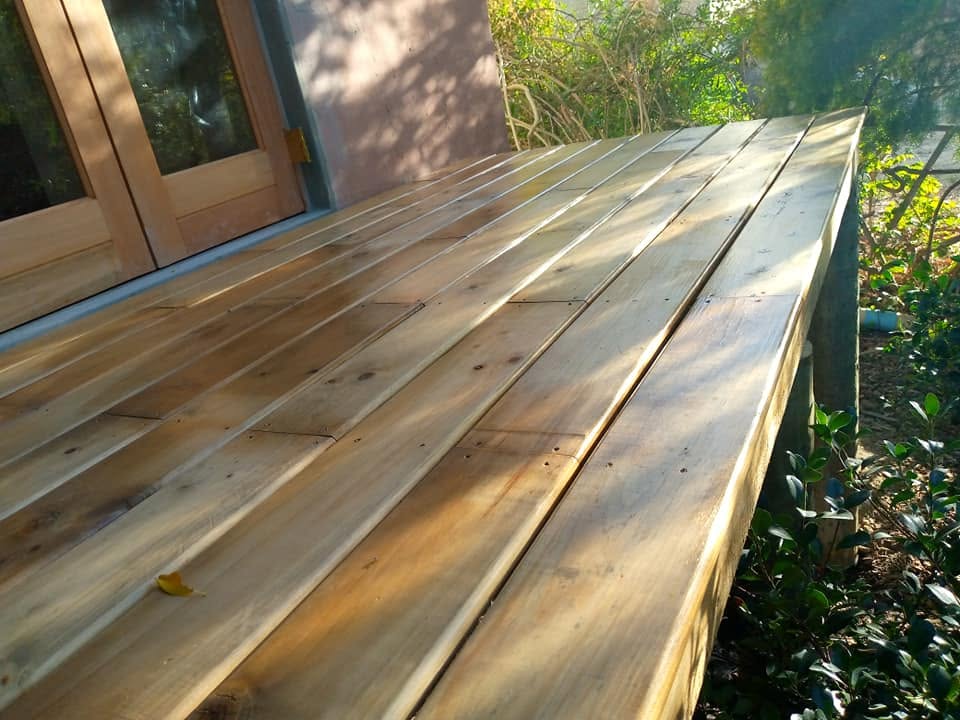
Cape Town’s winter rain and coastal exposure make timber selection, fixings and drainage important. Ask for timber and fasteners suitable for the specific location, rather than choosing on appearance alone.
For roof structures, get the required professional design and approval before work starts. For decks, agree on ventilation, board spacing and a maintenance plan using the finish manufacturer’s guidance.
Your project checklist
- Confirm timber grade, treatment and intended use.
- Plan drainage and ventilation around exterior timber.
- Include protective finishing and ongoing care in your budget.
Let’s talk about your project
Send Frank your ideas and site photos to discuss the next steps.
Chat with Frank on WhatsApp